

Why You Can’t Out-Earn Your Loneliness: Understanding the Hidden Impact of Little “t” Traumas
Often, high-achieving, ambitious people derive their sense of self from the validation their accomplishments bring. Early in life, they learned that independence and performance earned them the praise of parents, friends, or loved ones. Sometimes, this even becomes a raison d’être for creating the stability their entrepreneurial parents once provided but later lost. Other parent-child, or teacher-child interactions might have unintentionally left them feeling unworthy or unloved unless they were successfully achieving. They may have even learned to be of service to be considered valuable.
You can’t out-achieve a sense of unworthiness. You might not even realize you’ve been trying. On paper, after all, your accolades would suggest otherwise. In fact, your YPO cohort would laugh if you told them you had this nagging feeling of not enough-ness. You may even tell yourself, “Just get get over it. Look at all your success!”
The Backstory of Little “t” Traumas
Despite your achievements, and the beautiful life you’ve created, why might you still have this unfulfilled, lonely pit in your stomach? Maybe your well-intended father traveled a lot for work, missing most of your important life events growing up. Perhaps your mom, in her attempt to hold the home together, didn’t have the capacity to attune to your emotions. And in her own struggle, she invalidated or missed your appeal for her attention or approval. Or you took on the adult role of helping to run and provide for your family at a young age, and were applauded for being such a mature young man or woman. Worse, puncturing statements like “You’re weak!” or “You’re over-reacting!” left invisible scars that you masked by racing to the top of your class and your empire.
These are little “t” traumas, the beliefs and lens from which we filter the world in all our interactions at home and work.
Subtle Yet Profound Experiences
Little “t” traumas are everyday experiences that may seem minor but can accumulate over time, eroding our sense of self-worth. Unlike major traumatic events, little “t” traumas are often dismissed or minimized, by ourselves or others. This lack of acknowledgment can lead to unresolved emotional pain. They can alter brain function, affecting stress responses and emotional regulation. Recognizing these subtle yet profound experiences is the first step toward healing. With a focus on self-awareness, mindfulness, and practical healing strategies, I’m here to guide you toward cultivating resilience and compassion, both for yourself and those around you.
Behavior Based on Childhood Experience
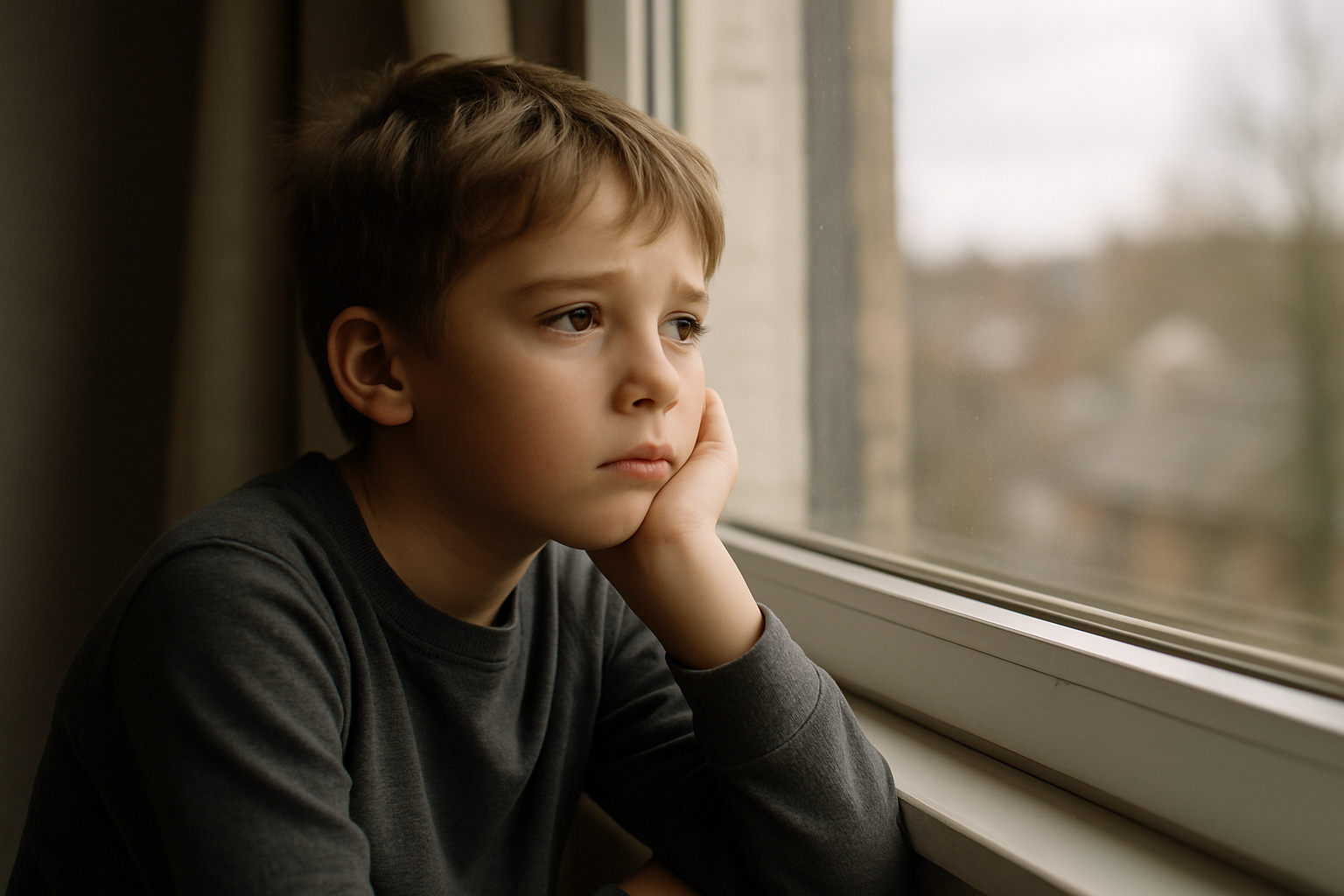
These early life fissures shape our sense of identity, how we relate to our family and the world at large, and how we see our own value in it. If left unaddressed and unhealed into adulthood, the quiet voice of the little child in us still runs the show. No matter how we might suppress them and prove outwardly to the world how capable we are with our net worth and network. These quiet, quick, but piercing interactions can compound, and over time, shape our behaviors. They influence our relationships, and impact our mental health long into adulthood. They even impact our own children.
Collectively, these little “t’s” often scaffold enough to become cPTSD (complex PTSD). Complex PTSD contributes to decline in our psychological and emotional well-being, and can gravely impact our physical health in a myriad of ways, most noticeably with the onset of auto-immune disorders.
Research suggests that the cumulative effect of these experiences can be as impactful as single, more severe traumas, leading to anxiety, depression, or difficulties in relationships. They may contribute to negative thought patterns and behaviors. These common negative thought patterns, or ANTS (Automatic Negative Thoughts) become engrained, leading to unbecoming (or dangerous) behavioral actions that you keep hidden from the world where your image is impeccable.
We Can’t Rationalize Our Way to Worth
Logically speaking, we can’t just point to the many impactful ways we have demonstrated we are worthy of attention and support when we’ve hinged our value to our output. Developing effective coping mechanisms – talk therapy, mindfulness practices, mindset coaching, somatic therapy, nature, and nervous system regulation – are crucial healthy coping and healing mechanisms for managing the long-term effects of little “t” traumas. These strategies can help regulate emotions and reduce stress.
Self-awareness plays a vital role in healing from little “t” traumas. It involves recognizing our emotional responses and understanding their origins. Mindfulness practices can enhance self awareness. Meditation or mindful breathing exercises can help us become more self-aware and regulated. By cultivating self-awareness and mindfulness, we can better identify the impact of little “t” traumas and guide interventions toward our healing. Healing won’t come in the form of a mind-hack. Rather, an integrated, thoughtful process of self-awareness, insight, connection, vulnerability, self-compassion, strengthening the parasympathetic nervous system and self-mastery.
An Exercise in How to Be with Yourself

Embracing vulnerability and compassion is a crucial step in healing from little “t” traumas. For many, that’s easier said than done. It involves acknowledging and opening up about our experiences and emotions to psychologically safe people, which can be challenging but invites intimacy into our lives. Practicing self-compassion is equally important. This means treating ourselves with the same kindness and understanding we would offer a friend or our child facing similar challenges. By focusing on just being, as opposed to doing, we learn to embrace acceptance and surrender. We learn to accept ourselves, flaws and all. It reduces self-criticism and defensiveness and leads to stronger connections with others and a deeper understanding of ourselves.
Self-Awareness: The Most Important Relationship Skill
We are relational beings. Healthy relationships play a vital role in recovering from little “t” traumas. They provide support, acceptance, and a sense of belonging, and what we clinicians call corrective emotional experiences, a vital piece to healing our little “t’s.” When we feel like we have found “our people,” we feel held and seen. Trust, boundaries, respect and non-judgmental communication becomes our cocoon. We begin to weed out the people we can’t count on to show up for us and reciprocate these essential relationship skills.
Surrounding ourselves with a supportive, self-aware community creates a nurturing environment for healing. These supportive interactions become our new reality and, when we feel seen and understood, we learn our value in an embodied, relational way. This releases a cocktail of neurohormones and rewires our nervous system, replacing outdated beliefs with new relationships and new, healthy experiences. And then, and only then, does the loneliness deep inside dissipate and your relationships become more connected and fulfilling. In the end, you learn you never had to earn your worth. You were born worthy.